NEWS AND ANALYSIS
HOT OFF THE PRESS
Women and Equalities Committee warns Government over the “Wild West” cosmetic procedures industry
The Women and Equalities Committee (WEC) has issued a warning to the government over concerns that the cosmetic procedures industry has failed to keep pace with rapid growth, leaving patients vulnerable to harm.
In the WEC’s Cosmetic Procedures report, the committee has urged ministers to act quickly to prioritise the long-promised reforms, emphasising the risks associated with the unregulated non-surgical cosmetic market.
The WEC has recommended that high-harm procedures are restricted immediately, ensuring that only qualified medical professionals are authorised to carry out these procedures.
The committee has put forward its own suggestions, including a licensing system for lower-risk procedures within this Parliament, enforceable national training and qualification standards, consistent regulation across all UK nations, and mandatory education in informed consent and psychological screening.
The WEC has called on the Government to review whether the NHS should record and publish complications from cosmetic tourism. In an aim to inform patients of the risk and financial impacts.
The committee also recommends that the government should suggest whether outlets in the UK that are recruiting patients for medical treatment overseas should be considered in the regulation, and investigated and sanctioned where necessary.
In response to the WEC’s report, the Department of Health has said that it is taking action to crack down on the procedure and to root out dangerous treatments, and will consider the committee’s recommendations.
CAP targets irresponsible liquid BBL and cosmetic surgery tourism ads
The Committee of Advertising Practice (CAP) has published two reports on investigations it has carried out to tackle irresponsible liquid BBL ads and cosmetic surgery abroad.
Following a series of ads banned by the Advertising Standards Agency (ASA), the CAP has been closely monitoring the cosmetic surgery industry.
Due to the risks associated with these procedures, it is important that ads for these procedures are responsible. This means that liquid BBL ads and cosmetic surgery abroad should not downplay the physical risks, suggest that the procedures are safe, exploit insecurities, or pressure people into making quick decisions.
Between April and December 2025, the CAP identified over 900 ads for non-surgical liquid BBLs. Some of the ads featured limited offers that risked pressuring people into making quick decisions, and other ads played on body insecurities, promising to “transform your body effortlessly.”
As of December 2025, only 11.5% of the ads conformed to the advertising rules.
Following these findings, clinics have been contacted by CAP informing them that these ads have broken the rules and that they must be amended or removed.
CAP also monitored advertising by overseas cosmetic surgery clinics targeting UK audiences. The AI system captured over 4,000 ads, and the CAP told 24 clinics to remove or amend problem ads.
Recurring issues included: “Mommy makeover” packages, exploiting insecurities in new mothers, creating pressure to conform to body image stereotypes, and ads promoting time-limited offers that can pressure people into making rushed decisions to undergo surgery. Following enforcement and guidance, CAP says the action has been successful, with the number of advertisers sticking to the rules increasing by 84.2%.
Jordan Parke, also known as the “Lip King”, dies a year after arrest linked to mum-of-five’s death following a BBL
Jordan James Parke, otherwise known as the “Lip King”, passed away on February 18, 2026. His family shared tributes across social media, saying there are “no words to explain the sadness and heartbreak” and that “the world feels so empty without you.”
Parke rose to internet stardom following his appearances on American TV show Botched and daytime TV shows, including This Morning.
Currently, Parke’s death is being treated as unexplained, and a full investigation is ongoing. A 43-year-old man and a 52-year-old woman have been arrested on suspicion of manslaughter and bailed.
Officers are reviewing information suggesting Parke may have undergone a cosmetic procedure prior to his death.
The news comes over a year after Parke’s arrest on suspicion of manslaughter, following the death of mother-of-five, Alice Webb, after she underwent a Brazilian Bum Lift (BBL). Webb fell ill following the procedure and passed away on September 24, 2024. This was the first recorded death following a BBL treatment in the UK.
Parke and a second suspect were arrested on suspicion of manslaughter. He remained on bail and was due to answer bail in March 2026.
GP practices are to be paid £3,000 a year to prescribe weight loss drugs
Starting from April, the government will introduce an annual incentive payment of £3,000 to ensure that GPs prescribe the maximum number of eligible patients Mounjaro.
The majority of weight loss medication is accessed privately, and new data from The Health Foundation analysed the inequalities in access to private GLP-1 weight loss drugs. The data found that people in the most deprived areas were accessing 32% fewer GLP-1 prescriptions than those in the least deprived. The government’s initiative aims to improve access to weight loss care and reduce the socio-economic inequalities. Access to weight loss medications has largely been driven by private clinics, but increased NHS funding for GP practices is expected to expand availability, although strict criteria currently limit access to patients with a BMI over 40 and related health conditions. From next year, eligibility will widen to include patients with a BMI over 35 for medications such as Mounjaro on the NHS, though many with lower BMIs may still seek private treatment.
Warnings issued over illegal skin lightening creams sold in UK
The Chartered Trading Standards Institute (CTSI) has reported the sale of illegal skin-lightening products in a range of outlets, including small grocery shops and butchers. According to the CTSI, many of these products are illegal in the UK and have been found to contain banned substances such as hydroquinone, mercury, and powerful corticosteroids.
These ingredients are prohibited because of the serious risks they pose to health, including skin thinning, organ damage, infections, and pregnancy-related complications.
Tendy Lindsay, former chair of the CTSI, said, “Trading Standards officers have clear powers to investigate, seize unsafe goods, remove them from sale, and prosecute those who place non-compliant products on the market.
“Businesses, whether large retailers or small independent shops, have a legal responsibility to ensure the products they sell are safe, properly labelled and compliant with the law. A lack of awareness is not a defence.”
NEWS IN BRIEF
MHRA dismantles second Illicit weight-loss injection facility
The MHRA has dismantled a second facility suspected to be involved in the manufacture of illegal weight loss medicines. This follows a crackdown last year, where the MHRA dismantled what is believed to be the UK’s first illicit production facility for weight-loss medicine.
VIVACY UK appoints Katie Hughes-Dawkins as new sales director
Katie Hughes-Dawkins has been appointed sales director for the UK and Ireland. Hughes-Dawkins brings over 25 years of experience across clinical practice, commercial leadership, and brand strategy within the aesthetics sector.
New clinician-first healthcare insurance broker launches to support professionals
GPs and consultant surgeons working in private healthcare are increasingly vulnerable to rising litigation driven by AI-assisted complaints and fragmented working patterns. A new clinician-first healthcare insurance broker, Whetstone Healthcare, has launched to support healthcare professionals through investigations and litigation.
NEWS IN BRIEF
Face the Future announces partnership with Skin Masterclass to reshape retail opportunities
Online skincare and beauty retailer Face the Future has announced its partnership with global skincare training and consultation platform Skin Masterclass. This move that is set to reshape how aesthetic professionals approach retail within clinical practice.
New verification and education platform Twiqk launches to support safer growth in aesthetics
The new digital platform, Twiqk, aims to bring together consumer education and practitioner verification in non-surgical aesthetics. The platform was founded by Josh Sim and supported by an advisory board chaired by Professor Dr Patrick Treacy, with editorial oversight from Anna Dobbie.
British Beauty Council relaunched Great British Beauty Clean Up, urging aesthetic clinics to rethink waste
The British Beauty Council and its Sustainable Beauty Coalition relaunched The Great British Beauty Clean Up on March 2, 2026, calling the aesthetics and beauty industry to take collective action. The month-long initiative aligned with Global Recycling Day and the International Day of Zero Waste.
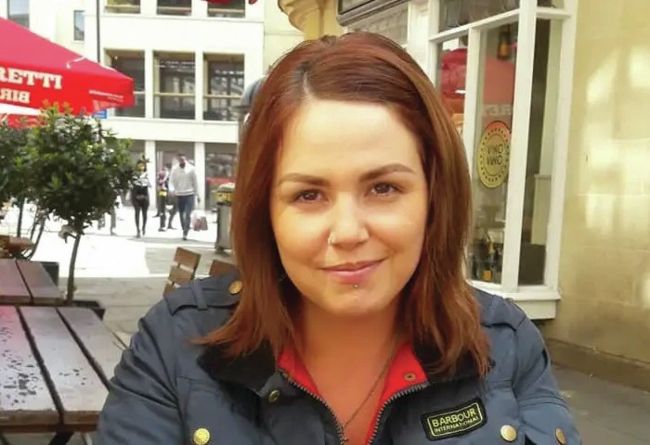
Investigation into Alice Webb’s death following BBL complications closed after suspect dies
The investigation into the alleged manslaughter of mother-of-five Alice Webb, who died as a result of BBL complications, has been closed, following the death of “Lip King” Jordan James Parke, who was arrested in connection with Webb’s death in 2024.
Alice Webb, 33, died on September 24, 2024 after falling unwell, following a cosmetic BBL procedure.
Two suspects were arrested on suspicion of manslaughter in relation to Webb’s death. One suspect was released with no further action, but Jordan James Parke was released on bail and was due to appear in court to answer to his bail in March 2026.
On Wednesday February 18, 2026, Parke, 34, died. Police are currently investigating Parke’s death, which is being treated as unexplained.
While the criminal investigation has ended, in the future, the coroner will hold an inquest in order to provide clarity surrounding Webb’s death.
Webb’s family has shared that they will continue their ‘fight for justice’ as inquests into both deaths are set to take place.
Small Business Strategy report warns of “perfect storm” for clinics and high street SMEs
MPs call for urgent reform to support small businesses, including aesthetic clinics Small businesses are facing cost pressures “as severe as the Covid-19 pandemic” and, in some cases, worse, according to a new parliamentary report on the Government’s Small Business Strategy.
The Business and Trade Committee has published its Small Business Strategy report, setting out a roadmap for reform ahead of the Government’s long-awaited Small Business Strategy.
For clinic owners grappling with rising employment costs, VAT thresholds, business rates, and energy bills, the findings make for sobering reading – but also outline potential policy changes that could directly affect the future of small aesthetic clinics.
The Small Business Strategy report is not the end of the process. The Committee states that this inquiry “marks the start, not the end, of our scrutiny” and that it will return to these issues throughout the Parliament.
For small clinic owners, the key takeaway is that parliament has formally recognised the scale of pressure facing SMEs and VAT, business rates, late payments, energy costs, and tax administration are all under active scrutiny.
79% of acne sufferers feel overwhelmed by the number of products claiming to fix it
79% people with acne said they felt overwhelmed by the number of products claiming to fix their skin, according to new UK research.
The findings, from Face the Future’s Acne At Every Age – 2026 Report, were based on an independent OnePoll survey of 2,000 UK adults and highlighted widespread confusion, financial fatigue, and emotional strain linked to the condition.
More than half (53%) of acne sufferers said they had wasted money on products that did nothing, while 43% admitted they had tried treatments they did not believe would work.
79% said they trusted dermatologists more than skincare influencers for acne advice and just 2% saying they trusted influencers more.
66% said they worried their acne would not clear up, while the same percentage admitted they did not know whether their acne was hormonal, bacterial, fungal, or something else.
Confusion was highest among younger age groups, with 75% of 18–24-year-olds saying they did not know their acne type, compared with 29% of those aged 55–64.