NEWS AND ANALYSIS
HOT OFF THE PRESS
BCAM warns public over illegal and unregulated peptide injections
The British College of Aesthetic Medicine (BCAM) has warned the public over the growing promotion of injectable peptide treatments.
Peptides are short chains of amino acids that act as cellular messengers, but “peptide therapy” covers many compounds with differing evidence bases, legal statuses and safety profiles.
BCAM notes that some peptide-based medicines, such as GLP-1receptor agonists, are regulated for UK use and supported by clinical trial data. However, these differ entirely from unregulated peptide products sold online or in nonmedical settings.
“Peptides may be ‘natural’, but that does not make them automatically safe,” says BCAM member Dr Mayoni Gooneratne. She stresses the importance of understanding the evidence, licensing status, source and safeguards behind any treatment.
According to BCAM, risks include infection, contamination, incorrect dosing, immune reactions, hormonal disruption and unintended systemic effects.
BCAM has highlighted concerns around internet-sourced “research peptides” and urges patients to follow UK regulations. Its “Vet It Before You Get It” campaign encourages informed, safe treatment decisions.
First GLP-1 tablet for weight loss approved in the UK
The Medicines and Healthcare products Regulatory Agency (MHRA) has approved the UK’s first GLP-1 receptor agonist tablet for weight loss.
The semaglutide (Wegovy) tablet can be prescribed to adults with obesity (BMI of 30 or above) or those who are overweight (BMI 27-30) with at least one weight-related comorbidity, alongside diet and exercise measures.
The once-daily tablet offers an alternative to injectable semaglutide and can be used by patients transitioning from private treatment with weekly 2.4mg injections.
The prescription-only medicine will not be available on the NHS immediately, pending evaluation by NICE.
Common side effects include nausea, diarrhoea, constipation and vomiting.
Two arrested after MHRA’s largest seizure of unlicensed weight loss medicines
The Medicines and Healthcare products Regulatory Agency (MHRA) has dismantled a third facility suspected of manufacturing illegal weight loss medicines.
On 28 May 2026, the MHRA’s Criminal Enforcement Unit arrested two men, aged 29, after recovering around 12,000 doses of unlicensed weight loss medicines during a raid on a country estate near Northampton. The site is believed to have been used to manufacture, assemble and distribute unlicensed weight loss medicines and peptide products.
The raid follows operations in Lincolnshire, Nottinghamshire and Northampton as part of an ongoing investigation into an organised criminal network involved in the manufacture and sale of unlicensed medicines, including retatrutide and tirzepatide.
“Last night’s hugely successful operation demonstrates the MHRA’s unwavering commitment to ensuring there is no hiding place for those who put the public’s health at risk for profit,” said Andy Morling, head of the MHRA’s Criminal Enforcement Unit.
The MHRA advises that prescription medicines should only be obtained from registered pharmacies with a prescription from a healthcare professional.
Eli Lilly expands GLP portfolio with $1.26bn Hanmi deal
Eli Lilly has expanded its growing GLP portfolio through a licensing agreement with Hanmi Pharm for sonefpeglutide, a long-acting GLP-2 biologic, in a deal worth up to $1.26 billion.
The therapy is currently being evaluated in a phase II trial for short bowel syndrome (SBS). In non-clinical studies, sonefpeglutide has demonstrated the ability to promote intestinal growth, reduce inflammation and support regeneration of the intestinal mucosa.
The deal reflects continued investment in GLP-based therapies following the success of Lilly’s obesity and diabetes medicines, tirzepatide (Mounjaro and Zepbound).
UKHSA issues warning over rise in botulism cases linked to botched cosmetic procedures
The UK Health Security Agency (UKHSA) has confirmed several cases of botulism in Leeds linked to cosmetic procedures. This follows the report of 41 cases of botulism recorded in England last August, following the suspected use of unlicensed toxin products in cosmetic procedures.
On Monday, May 18 the UKHSA confirmed a small number of botulism cases in the Leeds area linked to cosmetic procedures, with patients experiencing adverse reactions following botulinum toxin treatments.
The exact products involved and the total number of cases from the recent botulism outbreak are currently unknown.
The agency is warning people to be aware of the signs and symptoms of botulism after a group of individuals presented to the National Health Service (NHS) after experiencing adverse reactions following botulinum toxin injections.
NEWS IN BRIEF
New podcast examines business side of aesthetics
Marketing consultant Elly Makinson has launched The Contraindication, a new podcast exploring the commercial realities of the aesthetics industry. The series covers clinic growth, patient behaviour, marketing and industry trends. A weekly Marketing Mondays segment also provides practical marketing tips for professionals.
Aurea Skin Expert launches, a new partnership-led business
Industry sales expert Charlotte Cockram has launched Aurea Skin Expert, a new partnership-led business supporting aesthetic clinics across Europe. The company aims to move beyond traditional distribution by focusing on education, strategic support and clinic growth. At launch, Aurea has secured partnerships with skincare brands Clinical Skin, Glytone and Biopelle.
Cutera expands UK and Ireland support network
Cutera has strengthened its UK and Ireland presence through new regional appointments and expanded provider support. The investment enhances access to clinical training, business development, and dedicated account management. New hires across London, the Midlands, Northern England, and Ireland reinforce Cutera’s commitment to partner success and growth.
DermaFocus announces launch of live online training
DermaFocus has announced the launch of its first live online training programme through its educational platform, RISE. The course will focus on exosome science and the clinical applications of the Purasomes range. It will be delivered by Dr Stephanie Demalis on July 28. Delegates who complete the course and assessment will receive certification.
NEWS IN BRIEF
Harpar Grace launches all-in-one clinic management app
Harpar Grace International has launched The HGI HUB, a new digital platform for aesthetic and wellness clinics. Available now, the app combines ordering, marketing support, education and business tools in one place, helping clinics streamline operations, manage stock and access growth-focused resources.
SR Biotek names Wigmore Medical as exclusive UK distributor for IDENEL
SR Biotek has appointed Wigmore Medical as the exclusive UK distributor of its IDENEL Professional skincare range. Powered by patented ALTUM Peptide Technology, the portfolio combines in-clinic treatments and at-home care. The partnership expands access to advanced regenerative skincare solutions, supporting personalised treatments and enhanced patient outcomes.
Phorest Launches AI Edition to Strengthen Human Connections in Salons, Spas and Clinics
Phorest has unveiled Phorest Collections: AI Edition, a new suite of AI-powered tools designed to streamline operations for salons, spas and clinics. Featuring Cheatsheet AI, Front Desk AI and WhatsApp integration, the platform automates routine tasks, helping professionals save time, personalise client experiences and strengthen customer relationships.
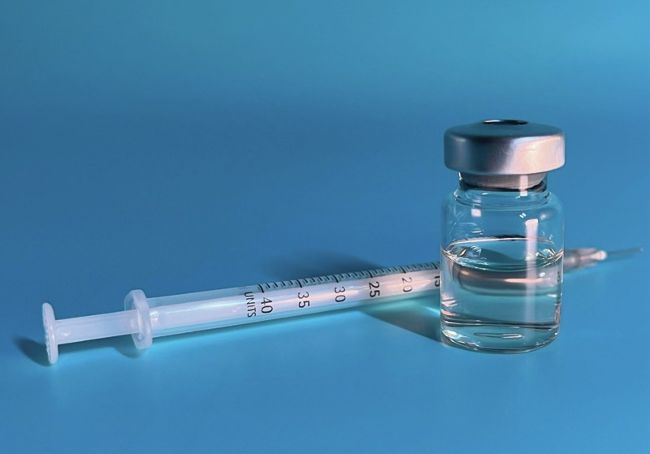
FDA reviews regulatory status of popular therapeutic peptides
The US Food and Drug Administration (FDA) is set to re-evaluate the regulatory status of several widely discussed therapeutic peptides, including BPC-157, KPV and Semax.
The peptides were previously placed in Category 2 of the FDA’s bulk drug substances framework, a designation applied to substances with significant safety concerns that restricts their use in compounded medicines. Following the withdrawal of nominations, the FDA has confirmed these peptides will be removed from Category 2.
However, they will not automatically become eligible for routine compounding. Instead, they will be reviewed by the Pharmacy Compounding Advisory Committee, with recommendations expected between July 2026 and February 2027.
Study highlights infection risks linked to cosmetic tourism
A decade-long review of US Centers for Disease Control and Prevention (CDC) consultations has highlighted the infection risks associated with cosmetic tourism.
Published in Emerging Infectious Diseases, the study examined reports between 2014 and 2024 involving US residents who travelled domestically or internationally for cosmetic procedures. Of 21 consultations meeting the inclusion criteria, most involved serious postsurgical infections, with nontuberculous mycobacteria (NTM) identified in the majority of confirmed cases. Liposuction and abdominoplasty were the most commonly reported procedures. Four consultations also involved patient fatalities.
Researchers identified infection prevention and control failures in some facilities, including deficiencies in hand hygiene, environmental cleaning and equipment reprocessing. The authors conclude that stronger surveillance, reporting and infection-control measures are needed as cosmetic tourism continues to grow.
Inquest opens into death following cosmetic surgery abroad
An inquest has opened into the death of a 65-year-old woman from the Isle of Wight who died a day after undergoing cosmetic surgery in Turkey.
Karen Squires, from Ryde, underwent cosmetic procedures on January 13 before becoming unwell shortly afterwards. Her condition rapidly deteriorated and she died the following day.
A post-mortem examination carried out in February recorded a provisional cause of death as multiple organ failure following abdominoplasty and bilateral mastoplasty, alongside small intestinal and right colon ischaemia and hypertension due to advanced alcoholic liver cirrhosis.
The inquest was opened at the Isle of Wight Coroner’s Court on June 4. HM Senior Coroner Caroline Sumeray adjourned proceedings until a provisional hearing date of December 7.