COPIED
3 mins

PRECISION IN PRP

Dr Ben Taylor-Davies considers why precision matters in PRP and explains how careful preparation, patient selection and realistic expectations can support more consistent outcomes.

Weare seeing a shift in the way patients think about treatment. They are looking beyond quick fixes and towards improving tissue health over the longer term. Rather than simply disguising the signs of ageing or hair loss, they want treatments that work with the body’s own biology.

Hair restoration is a good example of this. Platelet-rich plasma (PRP) has been used for many years, with a growing body of evidence supporting its role in the management of some forms of hair loss. However, preparation methods and protocols vary, and these differences may affect the composition of the final product and the consistency of outcomes.

Around a year ago, we introduced the Arthrex autologous conditioned plasma (ACP) system into my practice. Before that, I felt traditional PRP could be inconsistent.

The ACP system uses a sterile, closed double-syringe system and does not require the addition of an anticoagulant during preparation. The centrifugation process is designed to produce PRP with a low concentration of inflammatory white blood cells. I have found the system straightforward to use and the resulting product more consistent and have been encouraged by the outcomes we have seen, both in hair restoration and as part of broader regenerative treatment plans.

SETTING REALISTIC EXPECTATIONS

Hair restoration remains one of my favourite applications for platelet-based treatments. The aim is to deliver a concentrated source of platelets and associated growth factors to the scalp to support follicular activity and hair growth. It is not an overnight solution, and I make that clear during consultation. Any improvement is gradual and varies between patients.

In my experience, patients are accepting of this when the rationale, treatment course and limitations are explained. They are often willing to wait for gradual change because the goal is to support healthier hair growth rather than provide a temporary cosmetic disguise.

I have also undergone the treatment myself, so I understand the process from both sides. After a course of three sessions, it was my barber who first commented that my hair appeared to be growing more strongly. Although one personal experience cannot predict another patient’s outcome, it reinforced what I had observed in practice.

Regenerative treatments cannot be considered separately from general health. Their success may be influenced by the patient’s health and lifestyle, and the quality of the treatment protocol. I encourage patients to eat a balanced diet with adequate protein, sleep well, manage stress and stop smoking. It is important to investigate underlying contributors to hair loss and establish whether PRP is appropriate.

Patient selection is essential. Autologous platelet treatments may not be suitable for patients with blood disorders, active infection, certain autoimmune conditions or active cancer. A thorough medical history, appropriate assessment and referral or further investigation where indicated should form part of the consultation.

Preparation matters too. Before treatment, I advise patients to stay well hydrated, eat normally and avoid alcohol the night before. This can make the process more comfortable, although patients should always receive tailored advice.

PART OF A WIDER TREATMENT PLAN

Hair restoration is not the only application for ACP in my practice. I may combine it with procedures such as laser resurfacing or radiofrequency microneedling as part of an individualised plan intended to support recovery and tissue regeneration. It can also be considered as a standalone option for patients seeking an autologous approach, provided the indication is appropriate and the limitations are understood.

Interest in treatments that use a patient’s own biological material is likely to continue. However, enthusiasm for regenerative medicine must be matched by evidence, standardised protocols and responsible claims. PRP has a substantial clinical literature behind it, but studies differ in their preparation methods, treatment schedules and outcome measures. It is important not to present every PRP system or protocol as interchangeable.

For clinicians considering introducing platelet-based treatments, training should include patient selection, diagnosis, consent, product preparation, infection control, management of complications and evaluation of results. Consistent photography and agreed outcome measures can also help clinicians assess whether a protocol is delivering meaningful change.

I do not see regenerative medicine replacing every other approach to hair loss or aesthetic treatment. Its value lies in how it can complement evidence-based medical management and other procedures.

By focusing on careful assessment, reproducible preparation and realistic expectations, we can offer patients a more considered approach to supporting hair and tissue health over time.
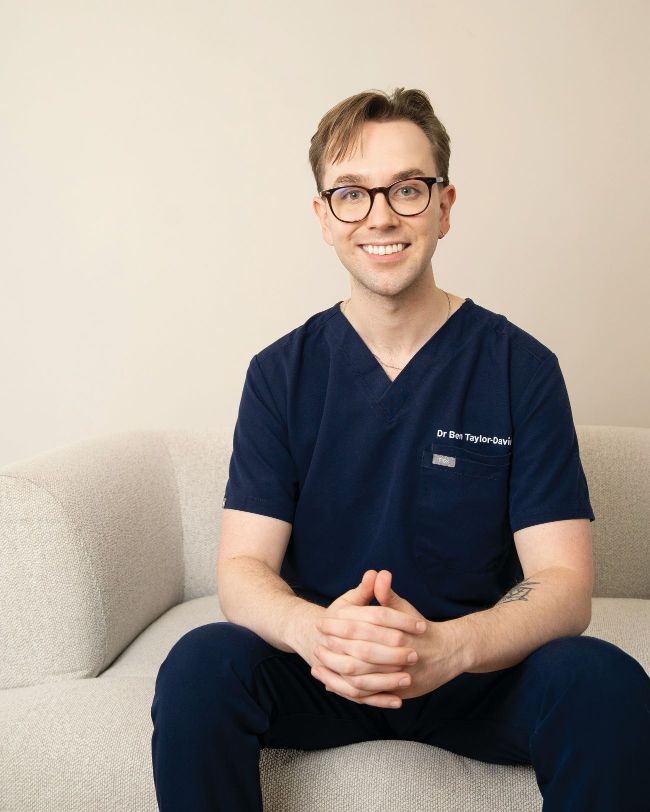
Dr Ben Taylor-Davies is an aesthetic doctor and co-founder and clinical director of The Stockbridge Clinic. Alongside his aesthetic practice, he works as an NHS Emergency Medicine Physician. He serves on the Clinical Support Team of CMAC (Complications in Medical Aesthetics Collaborative).
This article appears in September 2026

Go to Page View
This article appears in...
September 2026
Go to Page View
DEAR READERS
Going back to school, the September issue is
MEET THE EXPERTS
The Aesthetic Medicine editorial board’s clinical expertise and diverse range of specialities help ensure the magazine meets the needs of the readers. In this issue, we have received guidance from the following members:
HOT OF THE PRESS
Allergan Aesthetics receives EC approval for Boey® - a
EXPANDING POSSIBILITIES
Discover how The Hereford Cosmetics Clinic has broadened its treatment offering with the LEO Hyperpulse Purplelight System.
OUT & ABOUT
SKINCEUTICALS P-TIOX CREAM LAUNCH Somerset House, London Editor
THE RECOVERY GAP
As demand for aesthetic procedures continues to grow, Natura Bissé explores the role of targeted recovery products in supporting skin comfort, barrier function and healing following in-clinic treatments.
GETTING TO KNOW DR JORDAN FAULKNER
From a junior doctor sceptical of overfilled faces to a full-time cosmetic physician, educator and mentor, Dr Jordan Faulkner has built a career around questioning convention. Kezia Parkins speaks to the Allo Aesthetics founder about leaving the NHS, near-peer mentorship, resisting scope creep and why integrity must come before opportunity.
PEPTIDE TALK
Vicky Eldridge asks how we separate the science from the social media hype when it comes to copper peptides
GETTING REDNESS RIGHT
Rosacea, flushing, broken capillaries and diffuse redness are among the most common concerns therapists see. Ellen Cummings explores the factors behind a successful treatment outcome
PRECISION IN PRP
Dr Ben Taylor-Davies considers why precision matters in PRP and explains how careful preparation, patient selection and realistic expectations can support more consistent outcomes.
CERTIFIED... BUT COMPETENT?
As aesthetics education becomes a booming business, questions around standards, competence and responsibility are becoming harder to ignore. Kezia Parkins asks leading educators where the line should be drawn between qualification and genuine clinical readiness
SYNERGISTIC BIOSTIMULATION
The role of oral collagen supplementation in enhancing clinical outcomes
INSIDE THE LOOKSMAXXING CONSULTATION
Younger patients are arriving armed with online terminology and expectations, making education, expectation management and psychological assessment increasingly central to treatment planning
IS THE FUTURE OF PRP ABOUT THE PATIENT, NOT THE PLATELETS?
Could understanding the patient be as important as perfecting the PRP protocol? Claudia McGloin explores.
THE INTIMATE LIFESPAN
From puberty to menopause, women’s intimate health changes throughout life, requiring informed, evidence-based care.
PMOS AND THE SKIN
PCOS has a new name, but what do aesthetic practitioners need to know about how the condition shows up on patients’ skin?
WONDER WOMEN
Vicky Eldridge asks our WIAM board how being a woman has shaped them professionally and whether the qualities women bring to the sector are their greatest superpower
EDUCATION FIRST, ALWAYS
Emma Wedgwood , explores why education, ethical practice and patient safety must remain at the heart of aesthetic medicine.
THE NEW REGENERATION
Hydrinity COO, Brent Nixon , shares his insights on the difference between the aesthetic markets in the UK and US and the future of longevity in aesthetics
THE PRACTITIONER BEHIND THE PRACTITIONER
Julie Scott reflects on the emotional labour behind clinical composure, exploring why caring for patients also means protecting the person behind the practitioner.
LEARNING TO TRUST YOUR OWN VOICE
Amy Bird reflects on the power of trusting your judgement, protecting your values and letting your work speak for itself.
CARE CONTINUED
Lisa Kelly explores why online aftercare is not a side hustle – it deepens your relationship with patients
WHY CLINICAL SKILL IS NOT ENOUGH
Clinical excellence remains the foundation of every successful clinic. But in the competitive market, clinical expertise alone is rarely enough.
ASK THE EXPERTS
How can scalp micropigmentation complement hair restoration outcomes?
FIVE TIPS TO FUTURE-PROOF YOUR BUSINESS
Anna Dobbie examines the business decisions helping clinics build resilience, strengthen patient relationships and prepare for long-term success.
MEDICAL BY DESIGN
“Calm. Sophisticated. Timeless.” We visited Dr Ahmed El Muntasar’s London space, to see the design behind one of London’s premium aesthetic clinics
LAUNCHING RIGHT
Just over a year after opening its doors, The Stockbridge Clinic has been named Aesthetic Clinic of the Year – Scotland and Northern Ireland at the Aesthetic Medicine Awards 2026 and Highly Commended in the national category. Co-Founders Dr Jack Henderson and Dr Ben Taylor-Davies candidly share the principles that helped them launch right.
JUVELOOK BIOSTIMULATOR
Executive assistant, Katie Mathews visited Pearl Touch Aesthetic for a course of Juvelook sessions with Dr Lisa Dinley
ULTRACLEAR DEEP CORING
Sales director Lisa Morrin visited City Medispa, to experience the UltraClear Deep Coring treatment with Dr Pratish
PRODUCT NEWS
Dermalux Dermalux has unveiled the Dermalux LED Face
5 MINUTES WITH… SHIREEN FORSTER
Connie Cooper speaks to Laser Me Out founder Shireen Forster about redefining laser hair removal for a new generation, engaging Gen Z and the success of her patient-first approach.
5 AESTHETIC EDUCATORS TO FOLLOW
These five practitioners are leading conversations in education, innovation and clinical excellence.
ASK ALEX
“I’m educating constantly on socials. Why isn’t it turning into bookings?”
Looking for back issues?
Browse the Archive >

Previous Article Next Article