CLINICAL
CASE STUDY: COMBINATION REGENERATIVE HAIR RESTORATION
Natalie Clendinning showcases hair restoration outcomes with microneedling, exosomes, and polynucleotide injections.
Patient: 30 year-old male
Concern: Norwood stage 3-4 hair loss
Treatment: Microneedling with exosomes and polynucleotide injections
Timeline: Six across 12 weeks
Practice: Dr Bonny Clinic, Belfast
Practitioner: Natalie Clendinning
Regenerative medicine is rapidly reshaping aesthetic practice, with increasing demand for treatments that support long-term tissue health rather than provide short-term cosmetic improvement. Hair restoration is one such area where biologically driven therapies are gaining traction. This case study evaluates a combination protocol incorporating exosomes, microneedling, and polynucleotides for the treatment of hair thinning.
A 30-year-old male presenting with Norwood stage 3-4 hair loss underwent a structured treatment plan consisting of six sessions alternating between microneedling with exosomes and polynucleotide injections over a 12-week period.
Results demonstrated improvements in hair density, thickness, and reduction in shedding, with no significant adverse effects reported. While full regrowth was not achieved, the protocol successfully enhanced overall hair quality and slowed progression of hair loss.
This case highlights the potential of combination regenerative therapies in hair restoration, while also emphasising the importance of appropriate patient selection and realistic treatment goals.
INTRODUCTION
Aesthetic medicine is undergoing a clear shift toward regenerative and preventative treatments, moving away from purely stimulatory or short-term interventions. Patients are increasingly prioritising long-term tissue health, maintenance, and natural-looking outcomes.
Hair restoration reflects this evolution. Traditional approaches such as minoxidil or platelet-rich plasma (PRP) focus primarily on stimulation. However, variability in patient response – particularly with PRP, where outcomes depend on the individual’s blood composition - has driven interest in alternative regenerative strategies.
Regenerative approaches aim to improve the biological environment of the scalp, supporting follicular function and hair cycling. Microneedling has long been recognised for its ability to stimulate collagen production and enhance transdermal delivery. Polynucleotides, derived from purified DNA fragments, act as biostimulators with anti-inflammatory and tissue-repair properties. More recently, exosomes have emerged as a promising adjunct, functioning as extracellular signalling vesicles that deliver growth factors, proteins, and genetic material involved in cellular communication and regeneration.
Recent clinical trends highlight increasing evidence supporting exosome-based therapies. Systematic reviews have demonstrated improvements in hair density and thickness, alongside high patient satisfaction. Similarly, polynucleotides have shown promise in the treatment of androgenetic alopecia, with studies reporting significant increases in hair diameter and density.
Importantly, there is a growing shift toward combining regenerative and anti-inflammatory modalities. Rather than stimulating follicles alone, these approaches aim to create an optimal biological environment for sustained hair growth.
RATIONALE FOR COMBINATION THERAPY
The rationale for combining microneedling, exosomes, and polynucleotides lies in their complementary mechanisms of action.
Microneedling induces controlled microinjuries within the scalp, triggering a wound-healing cascade and increasing blood flow. It also enhances transdermal delivery by creating microchannels, allowing active ingredients to penetrate more effectively.
Exosomes provide a concentrated source of bioactive molecules, including growth factors, amino acids, vitamins, and signalling proteins. In contrast to autologous treatments such as platelet-rich plasma (PRP), the efficacy of exosomes is not dependent on the patient’s baseline health or nutritional status. This addresses a key limitation of PRP, where variability in blood composition may influence treatment outcomes.
Polynucleotides further support tissue regeneration by promoting fibroblast activity, improving hydration, and reducing inflammation within the scalp. When injected, they contribute to creating an optimal microenvironment for follicular health.
When combined, these modalities offer both stimulation and regeneration. Microneedling activates the scalp, while exosomes and polynucleotides provide the biological resources required for repair and growth. Alternating treatments may further enhance outcomes by targeting follicles at different stages of the hair growth cycle, supporting more consistent follicular activation. This multimodal approach targets multiple pathways involved in hair loss, potentially enhancing overall treatment efficacy compared to monotherapy.
PATIENT SELECTION AND ASSESSMENT
Appropriate patient selection is critical to achieving meaningful outcomes in regenerative hair restoration. In this case, the patient presented with early-stage androgenetic alopecia, corresponding to Norwood scale stage 3-4. The primary concerns included progressive thinning at the frontal scalp and increased shedding. A comprehensive consultation was undertaken, including medical history, previous treatments, and scalp assessment.
Suitable candidates for this protocol include male patients with Norwood stages 1–4 and female patients with Ludwig stages 1-2. Individuals experiencing telogen effluvium may also benefit, provided that the underlying trigger – such as stress, illness, or nutritional deficiency – has been identified and managed.
Patients with complete follicular loss should not be considered for this treatment, as regrowth in these areas is unlikely. Additional contraindications include scarring alopecia, widespread advanced balding, pregnancy or breastfeeding, and known hypersensitivity to treatment components. A thorough consultation process is critical. This includes:
• Detailed medical and treatment history
• Assessment of contributing factors (hormonal, nutritional, stress-related)
• Scalp examination and comparison against recognised classification scales
• Evaluation of previous interventions to identify contraindications
Clear expectation management formed a key part of the consultation. Patients were advised that the primary goal is improvement in hair density, thickness, and quality, rather than complete regrowth.
TREATMENT PROTOCOL
Individualised treatment planning
While treatment plans should be tailored to the individual, a structured protocol was followed in this case.
The patient underwent a course of six treatments over a 12-week period. Sessions alternated between microneedling with exosomes and polynucleotide injections, resulting in three sessions of each modality. Treatments were performed at intervals of two to three weeks to maintain consistent stimulation of the scalp.
Following the initial course, a rest period of three to six months was recommended to allow for visible hair growth and follicular response. Maintenance treatments, alternating between one of each modality were advised at six-month intervals.
Microneedling with exosomes
Microneedling was performed using the SkinPen device at a depth of 0.5 mm.
A stamping technique was used to minimise trauma, avoiding dragging across the scalp which may damage hair shafts or increase inflammation. The endpoint was erythema rather than bleeding.
The exosome products used included Purasomes Hair and Dermafocus Hair & Scalp, with a total volume of 2.5 ml applied evenly across the scalp and stamped into the tissue.
Polynucleotide therapy
Polynucleotides were administered using Plinest, with a total volume of 2 ml.
Injections were delivered via superficial microinjections across the treatment area. The scalp was divided into quadrants to ensure even distribution, and aseptic non-touch technique (ANTT) was maintained throughout.
Aftercare protocol
Patients were advised to avoid washing the scalp for 24 hours post-treatment and to refrain from using harsh hair products or undergoing chemical treatments for several days. Mild erythema was common but resolved within 24-48 hours.
Adjunctive homecare, including gentle scalp care and nutritional support where appropriate, was recommended to optimise results.
RESULTS AND OUTCOMES
Improvements were observed progressively over the treatment course. By three months, the patient reported reduced shedding and improved scalp comfort, with a noticeable reduction in irritation and dryness.
While quantitative measurement tools were not utilised in this case, visual assessment suggested a meaningful improvement in hair coverage, particularly in previously thinning areas. The patient also reported increased confidence and satisfaction with the outcome.
The improvement in scalp health is noteworthy, as inflammation, dryness, and irritation are recognised contributors to impaired hair growth. The addition of polynucleotides likely played a key role in reducing oxidative stress and improving the scalp environment.
It is important to note that full regrowth was not achieved, nor was it an expected outcome. Instead, the treatment successfully enhanced the condition of existing hair and appeared to slow the progression of hair loss.
DISCUSSION
This case demonstrates the potential benefits of combining microneedling, exosomes, and polynucleotides in a structured treatment protocol. The observed improvements align with emerging evidence suggesting that regenerative therapies can positively influence hair density and follicular health.
The multimodal nature of this approach is likely a key factor in its effectiveness. Microneedling facilitates delivery, exosomes provide targeted biological signalling, and polynucleotides create a supportive regenerative environment. Together, these mechanisms address multiple aspects of hair loss pathology.
However, several limitations must be acknowledged. This is a single case study without standardised measurement tools or a control comparison. Variability in exosome formulations and lack of regulatory standardisation also present challenges in assessing reproducibility.
Safety remains an important consideration. While no adverse effects were reported in this case, practitioners must ensure that products are sourced from reputable suppliers and used within appropriate clinical guidelines.
Further research, including randomised controlled trials, is required to establish optimal protocols, dosing, and long -term outcomes.
CLINICAL IMPLICATIONS
Combination regenerative therapies may offer a valuable option for patients with early to moderate hair loss who are seeking non-surgical interventions. They may be particularly beneficial for individuals who are unsuitable for, or unresponsive to, traditional treatments such as PRP or pharmacotherapy.
Practitioners should prioritise patient selection, thorough consultation, and realistic expectation setting. As with all emerging treatments, ongoing education and adherence to evolving evidence are essential.
CONCLUSION
Combination regenerative therapy using microneedling, exosomes, and polynucleotides represents a promising advancement in non-surgical hair restoration.
This case demonstrates that such protocols can improve hair density, thickness, and scalp health while reducing further loss. However, success is highly dependent on appropriate patient selection, consistent treatment delivery, and realistic expectations.
As the field continues to evolve, further research and standardisation will be essential to define best practice and optimise outcomes in clinical settings.
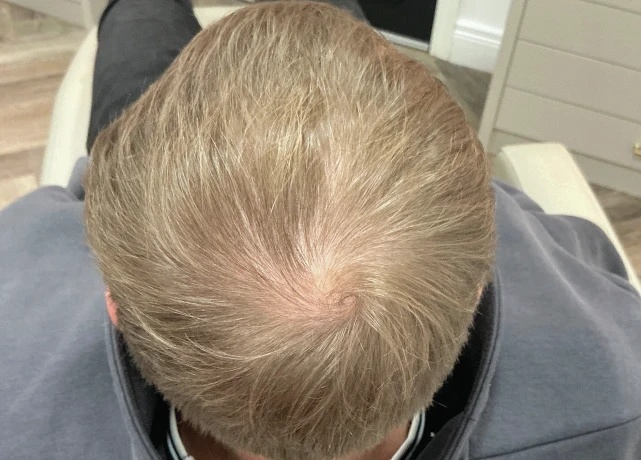
Before dry
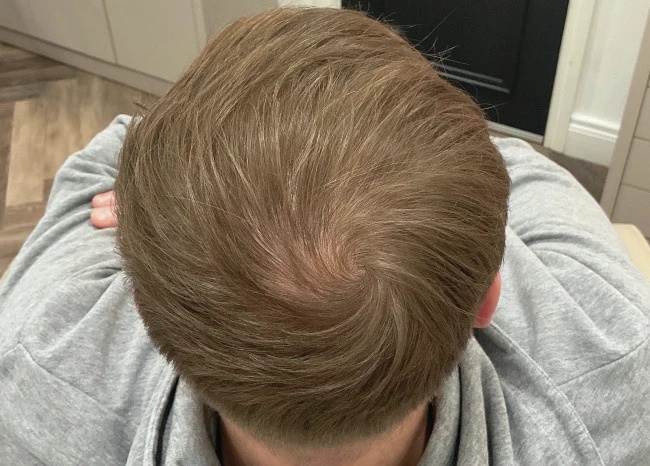
3 months dry
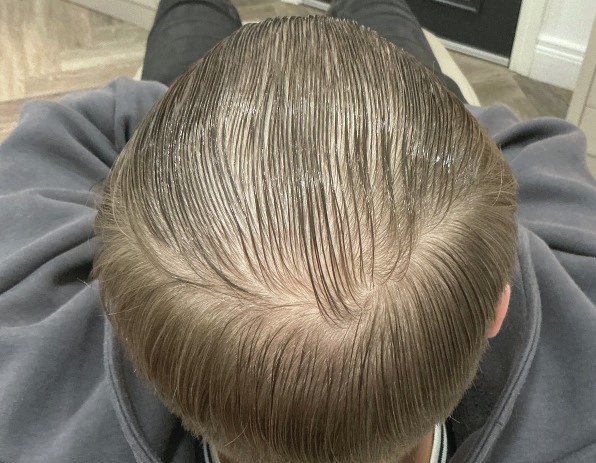
Before wet
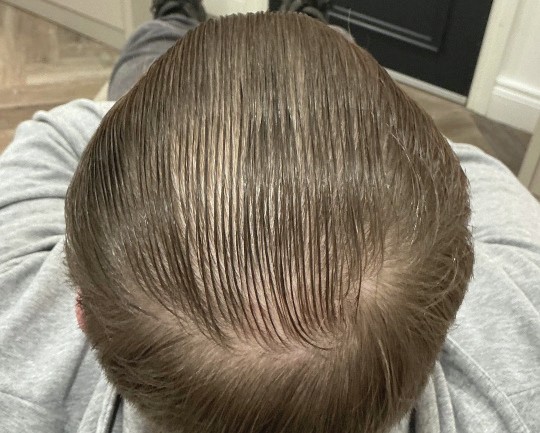
3 months wet
NATALIE CLENDINNING
Natalie Clendinning is an experienced aesthetic nurse with a First Class Honours BSc in Human Biology and two Master’s degrees in Professional Nursing for Children and Young People and Independent Prescribing. She combines advanced clinical expertise with a patient-centred approach to deliver safe, natural-looking aesthetic treatments tailored to each individual.
DR BONNY ARMSTRONG
Dr Bonny Armstrong is an aesthetic doctor, medical director, and owner of the award-winning Dr Bonny Clinic in Belfast. A regional KOL and faculty member for Teoxane, she is also the owner of Dr Bonny Academy and the Aesthetics Clinic Management Software, and co-founder of the NEXTGENERATION Mentorship Programme.